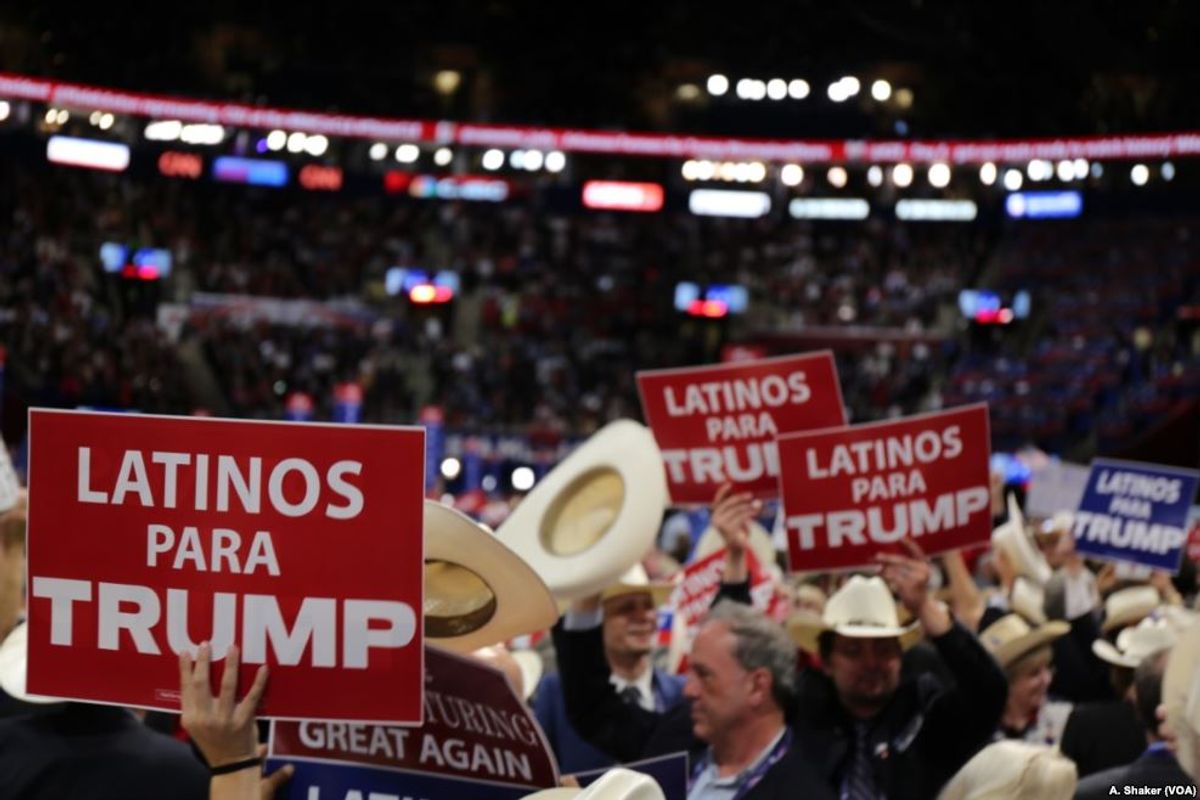
A New Media Partnership Could Galvanize the GOP’s Latino Gains in 2026
By: Jaime Figueras
Jaime is the former executive director of Latino Americans for Trump during the 2024 re-election campaign and co-founder of Claro y Directo America.
Republicans no longer face a messaging problem with Latino voters; they have a distribution opportunity.
Over the past several election cycles, the GOP has made measurable gains with Hispanic voters, driven not only by economic concerns but also by deeply held cultural values. Inflation, the cost of living, and the erosion of upward mobility have reshaped political allegiances. So too has a growing disconnect between many Latino communities and the cultural priorities of the progressive left.
For many Hispanic voters, faith, family, entrepreneurship, and public safety are not abstract political concepts; they are foundational principles. Increasingly, those principles are aligning more naturally with conservative messaging.
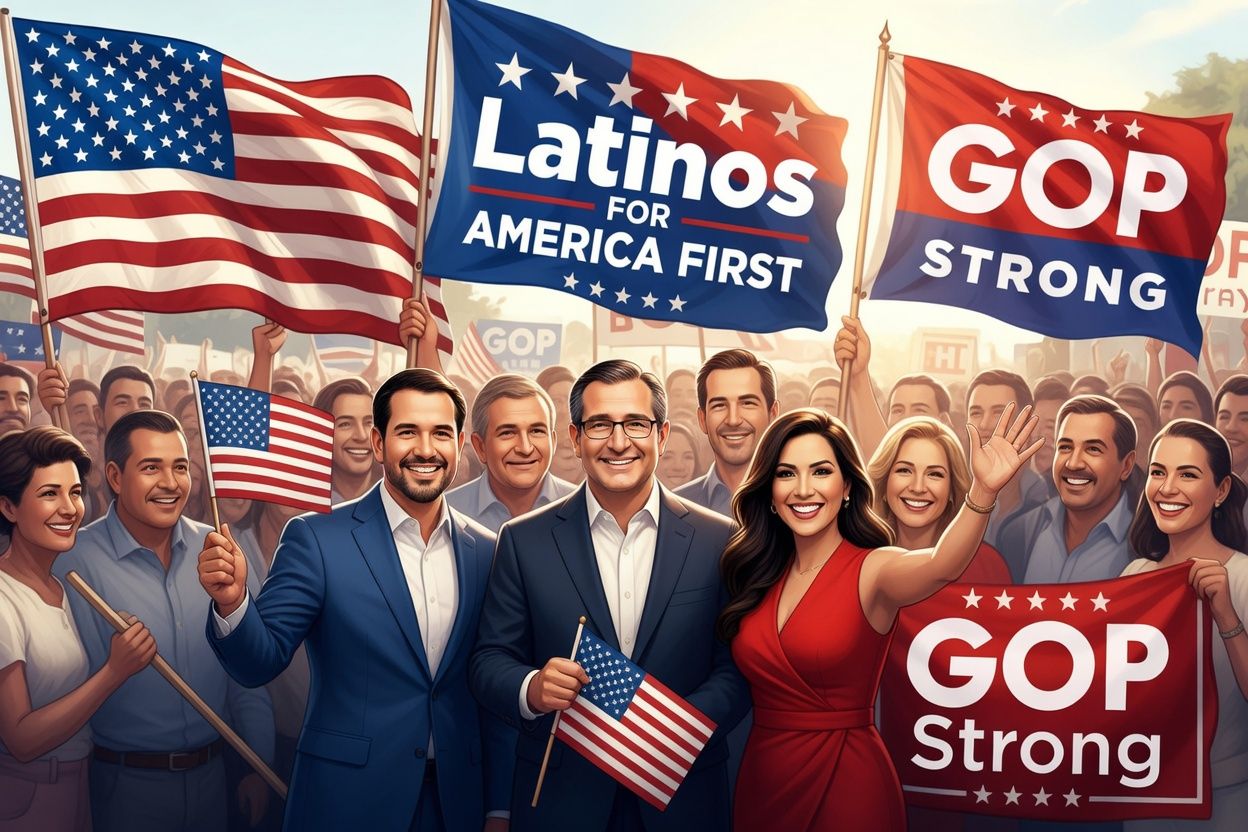
What was once a messaging challenge is now a question of scale, how to consistently reach, engage, and mobilize a rapidly diversifying Latino electorate.
That is why the newly announced partnership between Real America's Voice en Español and Claro y Directo América is more than just a media deal. It is a political inflection point.
For years, Spanish-language media has been dominated by legacy outlets whose editorial framing often leaned left or, at minimum, failed to reflect the economic frustrations and cultural priorities of working-class Hispanic families. This created a structural imbalance: even as Latino voters grew more receptive to Republican arguments, the channels delivering daily information did not always reinforce those views.
This new partnership begins to close that gap.
By expanding culturally fluent Spanish-language programming rooted in both economic reality and shared values, conservative voices now have a more direct line into Latino households. And timing matters. With midterm elections approaching, economic anxiety remains a defining issue. The cost of groceries, rent, and borrowing is not theoretical; it is immediate, persistent, and deeply personal.
For many Hispanic families, whose median household income still trails the national average, inflation is not an abstract policy debate. It is a daily constraint on opportunity.
However, culture matters as well.
Across the country, many Latino voters have expressed discomfort with rapid cultural shifts around education, family structure, and the role of government in everyday life. This is not a wholesale partisan realignment, but it is an opening. When economic frustration intersects with cultural misalignment, political behavior changes.
This is where media infrastructure becomes political infrastructure.
When voters hear consistent, credible messaging that reflects both their lived economic reality and their cultural values, political alignment follows. The data already suggests this shift is underway: Republican support among Latinos has climbed significantly over the past two decades, with recent cycles accelerating that trend. But sustaining and expanding those gains requires more than campaigns; it requires continuity.
The partnership between Real America’s Voice en Español and Claro y Directo América offers exactly that: a persistent, values-aligned presence capable of reinforcing messages that are already resonating. It creates a feedback loop between policy, culture, and community, something Republicans have historically struggled to operationalize at scale.
The implications extend beyond one election cycle.
A durable media ecosystem allows Republicans to compete not just during campaigns but in the everyday information environment where political identities are formed. It enables candidates, whether seasoned voices or first-time challengers, to plug into a broader narrative that connects national policy to kitchen-table realities and community values.
Figures like Byron Donalds have emphasized that economic growth is the rising tide that benefits all communities. That message resonates, particularly when paired with a respect for the cultural values many voters hold. Likewise, organizations like The LIBRE Initiative have consistently highlighted how inflation disproportionately impacts Latino families.
The missing piece has been amplification.
This is not to suggest that media alone determines electoral outcomes. Ground operations, candidate quality, and national conditions will all play decisive roles in 2026. But in a margin-driven environment, where a few percentage points among Latino voters can swing key districts, communication infrastructure is no longer ancillary. It is central.
For Republicans, the path forward is clear: continue leading with economic issues, while recognizing and respecting the cultural values that shape many Hispanic communities, and ensure those messages are delivered through platforms that meet voters where they are, in the language and context they trust.
The GOP’s Latino gains are real. This partnership could galvanize them.
And in a midterm cycle likely to be defined by both economic dissatisfaction and cultural realignment, that durability may prove decisive.
 House Committees vow to continue ActBlue probe after report indicates it may have misled CongressNext PostRon Johnson breaks with Trump on bombing civilian infrastructure: 'Not at war with Iranian people'
Related Posts

TRUMP IN CHINA SPECIAL LIVE COVERAGE TONIGHT AT 10PM ET.
“EVERY STAR, EVERY STRIPE” CLIMBS CHARTS
MOMS FOR LIBERTY - SEA TO SHINING SEA - CELEBRATING AMERICA 250

OFFICIAL TRUTH BOMB VIDEO JUST OUT!
